Kennet Valley At War Trust

Artefacts

View the artefacts that have been collected by the trust.

Nationality: All
Previous artefacts
D Battery 377th (US) PFA Photograph

American

D Battery 377th (US) PFA Photograph

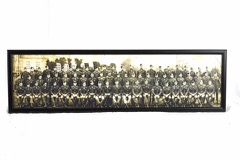
On 6 June 1944, the 377th PFAB participated in Operation Overlord, the Normandy Invasion, parachuting onto Drop Zone A east of St. Mere Eglise in support of the 502nd Parachute Infantry Regiment. The drop went poorly, and the battalion lost 11 of its 12 75mm pack howitzers. The Paratroopers of the battalion fought as infantrymen until replacement howitzers arrived on 14 June 1944. On 7 June 1944, 33 artillerymen from the battery, under the command of Lt Thomas Swirczynski captured 130 Germans near Hau-des-dunes. Other artillerymen from the battery served with other artillery units, manning salvaged US pieces and even two captured German howitzers. By 14 June 1944, the battery was consolidated and re-armed with new howitzers landed over the Normandy beaches. The battalion executive officer, Major Louis H. Cotton, was wounded during the drop and had to be evacuated.

View artefact
Damaged Screaming Eagles Magazine

American

Damaged Screaming Eagles Magazine

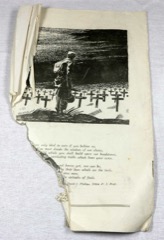
Damaged Screaming Eagles magazine dated 17 September 1945. Volume 1, No. 1

View artefact
Damaged US Army Canteen Cup

American

Damaged US Army Canteen Cup

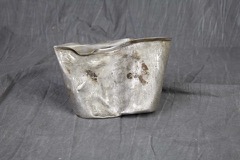
US Army issue aluminium Canteen Cup; damaged

View artefact
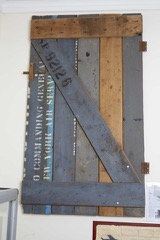
Door, made from a US Army Packing Crate

American

Door, made from a US Army Packing Crate

Door, made from a US Army packing crate, recovered from Bradford's Farm, near Newbury; with stenciling

View artefact
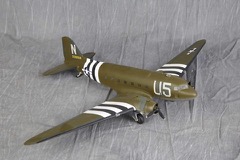
Douglas C-47 model aircraft

American

Douglas C-47 model aircraft

Scale model of a Membury based C-47 belonging to the 81st TCS 436th TCG

View artefact
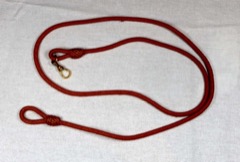
Dutch Dress Uniform Landyard

Dutch

Dutch Dress Uniform Landyard

Orange dress uniform Dutch lanyard belonging to William Schneider. The Orange Lanyard (Oranje Lanyard) is the unit-level insignia representing the Military William Order, the oldest and highest military honor in the Kingdom of the Netherlands. When an entire military unit distinguishes itself in battle to a degree that warrants this prestigious decoration, the unit's colours are decorated, and its individual members are authorized to wear the brightly colored orange braided cord.

View artefact
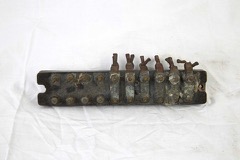
Electrical Connectors from a Sherman Tank Fuze Box

American

Electrical Connectors from a Sherman Tank Fuze Box

Electrical connectors from a Sherman Tank fuze box; found on UTAH Beach

View artefact
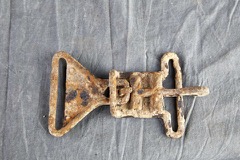
Equipment Buckle

American

Equipment Buckle

Equipment buckle; possibly from a USAAF parachute harness

View artefact
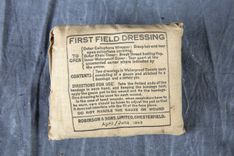
First Field Dressing

British

First Field Dressing

British Army issue First Field Dressing

View artefact
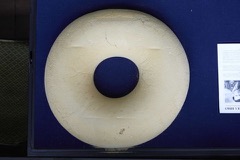
Foam Rubber Ring

American

Foam Rubber Ring

Used by Col John Michaelis to aid recuperation following medical treatment for a wound received during operation Market-Garden. Kindly donated by Mr Gerald Ward from Chilton Foliat

View artefact
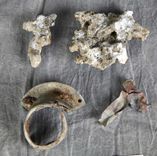
Four pieces of wreckage, recovered from the site of a Heinkel 111, brought down near East Woodhay, on the night of 28/29 July 1940

German

Four pieces of Heinkel 111 wreckage

Four pieces of wreckage, recovered from the site of a Heinkel 111, brought down near East Woodhay, on the night of 28/29 July 1940. The aircraft was flown by Fledwebel Theo Metzner

View artefact
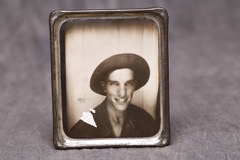
Framed B&W Photograph of Jack Womer

American

Framed B&W Photograph of Jack Womer

Framed B&W photograph of Jack Womer

View artefact
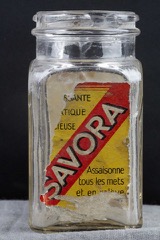
French Mustard Jar

British

French Mustard Jar

French Mustard Jar, with Ministry of Food label

View artefact
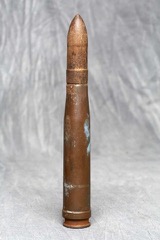
German 20mm Cannon Drill Round

German

German 20mm Cannon Drill Round

German 20mm cannon drill round

View artefact
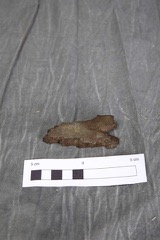
German Bomb Fragment

German

German Bomb Fragment

One piece of German bomb fragment, from bomb dropped on 10 February 1943 on St Mary's Church, Newbury

View artefact
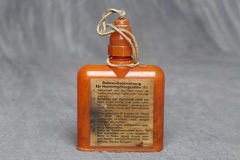
German Decontamination Ointment Bottle

German

German Decontamination Ointment Bottle

German decontamination ointment bottle

View artefact
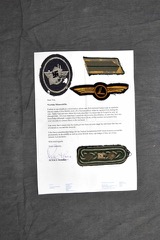
German Insignia

German

German Insignia

Badges and epaulette taken off a German officer when captured, by Clive Morris

View artefact
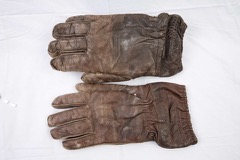
German Leather Paratrooper Gloves

German

German Leather Paratrooper Gloves

Leather Paratrooper Gloves found on the body of a German paratrooper by Charles Asay during the Normandy campaign June/July 1944

View artefact
German Luftwaffe Helmet

German

German Luftwaffe Helmet

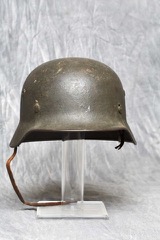
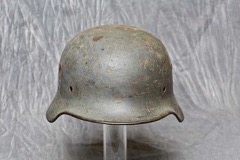
Grey Steel helmet with Luftwaffe eagle, complete with liner. Libertated from Normandy 1944. The Stahlhelm (German for "steel helmet") is a term used to refer to a series of German steel combat helmet designs intended to protect the wearer from common battlefield hazards such as shrapnel. The armies of the great powers began to issue steel helmets during World War I as a result of combat experience and experimentation. The German Army began to replace the boiled leather Pickelhaube with the Stahlhelm in 1916. The Stahlhelm's distinctive coal scuttle shape, was instantly recognizable and became a common element of propaganda on both sides, like the Pickelhaube before it. The name was used by Der Stahlhelm, a German veterans' organization that existed from 1918 to 1935. After World War II, both East and West German militaries adopted helmets unrelated to the archetypical German helmet designs from the world wars, but continued to refer to the new models as Stahlhelm. The WWII era Stahlhelm continued to be used by police and border guards in West Germany until the 1990s, when they were replaced by modern kevlar helmets

View artefact
German M1935 Helmet

German

German M1935 Helmet

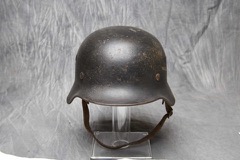
German issue M1935 steel helmet

View artefact
German Nazi Coffee Cup

German

German Nazi Coffee Cup

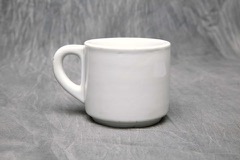
German Nazi china coffee cup, believed to be manufactured by Wallendorf Procelain

View artefact
German Newspapers

German

German Newspapers

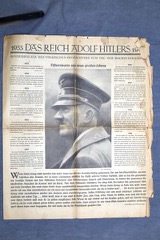
German Newspapers; ‘Das Reich Adolf Hitlers’ and ‘Landsberger Beir’

View artefact